
National Trafficking in Persons Day: What Happens After Survival?
When people hear the words "human trafficking," conversations often focus on the exploitation itself—the harm that was done, the injustice that occurred, and the urgent need for intervention.
Those conversations matter.
But there is another part of the story that deserves attention:
What happens after?
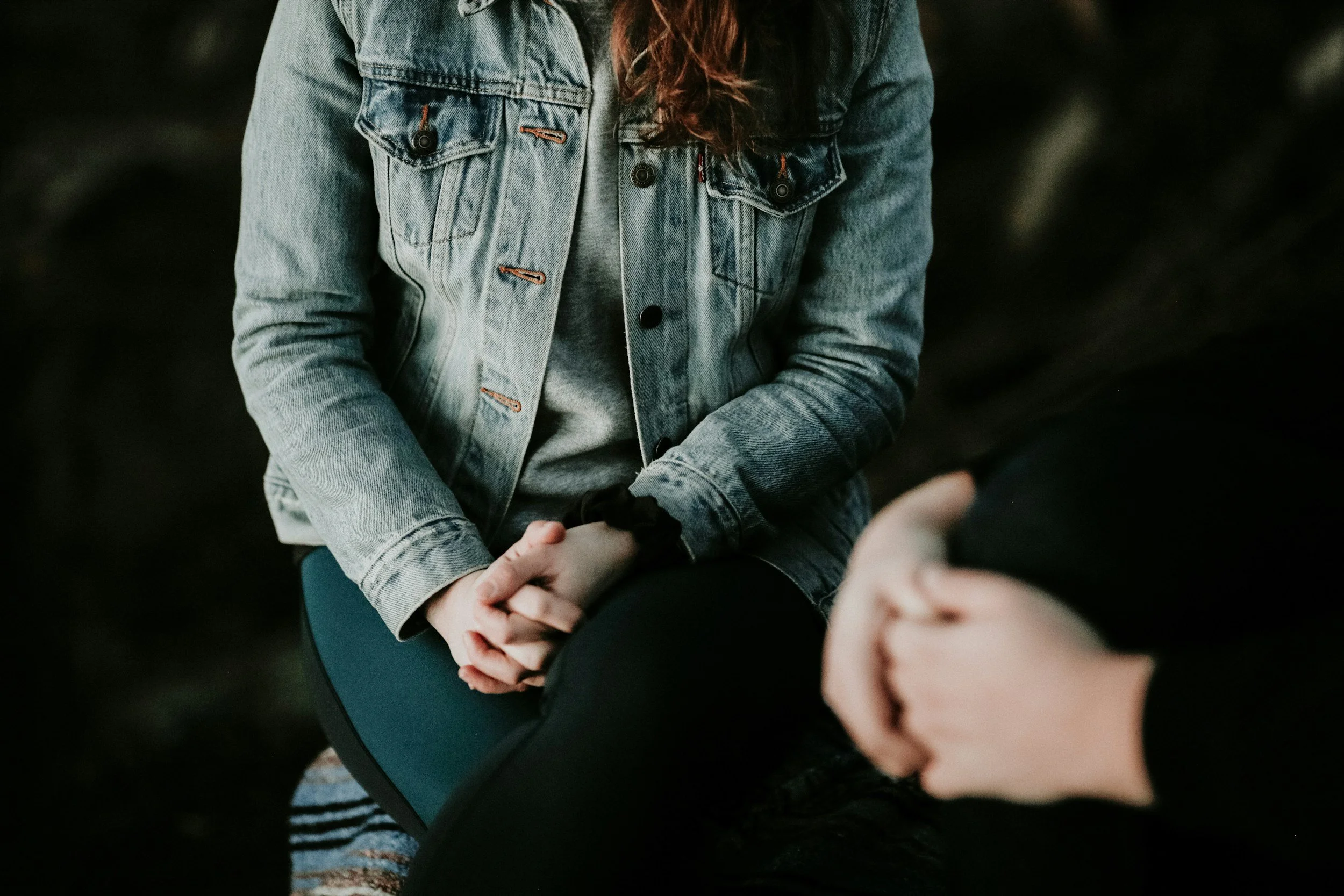
Recently, one of our clients had a milestone conversation with Michelle. It was an opportunity to reflect on the progress she had made and the many steps she had taken toward stability and healing.
As she looked back on her journey, she shared:
"My mental health is good. My job is good. My bills are paid. That would not have happened without your help."
Her words are a powerful reminder that healing is possible.
But they are also a reminder that healing requires support.
For many survivors of sexual exploitation and trafficking, leaving exploitation is only the beginning. The journey afterward can involve rebuilding trust, finding safe housing, navigating healthcare, addressing trauma, securing employment, managing finances, and creating a new vision for the future.
These steps may seem ordinary to someone who has never experienced exploitation. But for a survivor rebuilding her life, they are significant milestones.
A stable job is not just employment - it can represent independence and confidence.
Paid bills are not just financial security - they can represent freedom from survival mode.
Improved mental health is not just a diagnosis or appointment - it can represent the ability to hope again.
This is why Stone Haven exists.
Our work is not just about responding to crisis. It is about walking alongside survivors as they build lives of safety, dignity, and hope.
Through trauma-informed support, case management, resource navigation, and ongoing relationships, we help women access the tools and encouragement they need to move forward. We celebrate the milestones, sit with women through the difficult moments, and remind survivors that their past does not define their future.
National Trafficking in Persons Day is an important opportunity to raise awareness about exploitation happening around the world and in our own communities. But awareness must lead to action.
Action means learning the signs of trafficking. It means supporting survivor-centered organizations. It means creating communities where vulnerable individuals are protected and survivors are welcomed.
Most importantly, action means recognizing survivors not for what happened to them, but for who they are and who they are becoming.
Today, we honor survivors. We remember those still experiencing exploitation. And we remain committed to walking alongside women as they heal, rebuild, and thrive.
Because every milestone matters.
A Reflection on the Headlines
Five people were arrested in Roanoke this week in connection with a human trafficking ring. Prosecutors have confirmed that more than 50 victims were coerced with money and drugs to engage in prostitution. This case shines a light on an important truth: prostitution is not always what it appears to be.
Often, there is far more happening behind the scenes. While a victim may be the visible, front-facing person, there is frequently someone in the background holding the money, the control, and the power. Traffickers may promise to meet basic needs—such as housing, safety, stability, or, as in this case, access to drugs—in exchange for sex or labor. What looks like a choice on the surface is often driven by coercion, manipulation, and survival.
There is much to unpack when we talk about choice versus coercion. In trafficking situations, something is almost always being leveraged. Whether it is access to basic needs, fear of retaliation, emotional dependency, or substances, manipulation plays a central role. In these circumstances, where does true free choice exist?
Someone recently shared a truth that captures this reality well: if you cannot freely say no, then you cannot truly say yes.
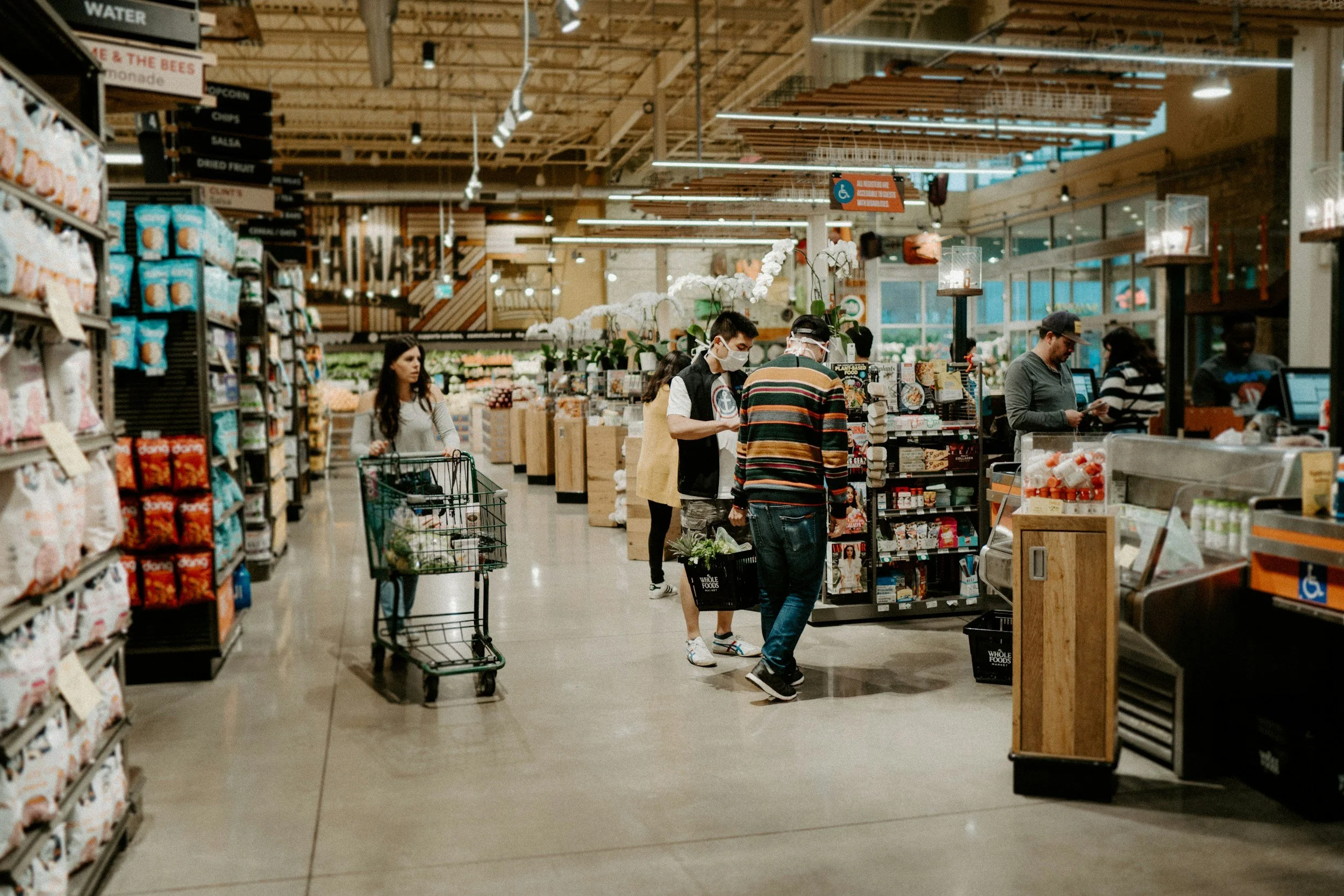
This is one reason coercion is so difficult to identify—and even harder to prosecute. It rarely looks obvious from the outside. The woman standing in line at the grocery store may appear indistinguishable from anyone else, moving through her day like you and me. Yet behind the scenes, her life may be tightly controlled by someone who knows exactly where she is, how much money she has, who she is allowed to communicate with, and how long even a simple errand is supposed to take.
High-profile cases, such as the exploitation uncovered in the Epstein case, reveal the same underlying patterns seen in trafficking across many contexts. Trafficking does not always involve physical force; it often operates through access, influence, financial control, and significant power imbalances. In this case, victims were frequently targeted because of their youth, naivety, family instability, financial vulnerability, or aspirations in modeling or other creative fields—each representing a point of leverage for manipulation. As with many trafficking situations, victims may appear to be participating willingly, while the true nature of the exploitation remains hidden from public view.
These cases—whether local or widely known—remind us that trafficking is not a distant or abstract issue. It happens quietly in our own communities and is frequently misunderstood or overlooked. At Stone Haven, we walk alongside adult women who have experienced exploitation and coercion, offering a trauma-sensitive, whole-person approach to healing. Our work exists because behind every headline is a real person who needs safety, dignity, and long-term support—not judgment.
Awareness is a critical first step. When we look beyond assumptions and learn to recognize the realities of exploitation, we create space for survivors to be seen, supported, and restored. To learn more about Stone Haven’s work or how to support survivors in our community, we invite you to connect with us.

What are the signs of trafficking?
This is certainly a frequently asked question, and it makes sense! People want to know how they can spot this crime and report it. Especially since we know that only 1% of victims are ever identified. Surely, if we can increase reporting, we can increase survivor identification.
Historically, we have talked about physical signs that might let you know someone is being trafficked. You might have heard to look for things like branding tattoos, signs of abuse, signs of addiction, uncomfortable body language, clothes that aren’t appropriate for the weather, or someone travelling with an older companion. And while these things MAY be indicators of trafficking, there is a whole lot more to it.
I always share now that trafficking situations are a lot more complex than this and you can almost never tell that someone is being trafficked just by observing them in public. Victims often know their trafficker and are closely tied to them. The most common way people are trafficked is by a parent or family member, a partner, or a spouse. They may not be physically held captive, and in fact, may be free to go about a “normal” day to day life. And in a lot of cases, victims don’t realize that what is happening to them is trafficking. All of this contributes to low reporting numbers.
I think the most important way we can identify victims of trafficking is to be in relationship with the vulnerable people in our communities. When talking about people most likely to be taken advantage of, it’s people with vulnerabilities. Whether it be addiction, poverty, housing instability, a disability, or lack of support, these things attract traffickers who are able to manipulate and exploit. If you have someone in your life who falls into this category, pay attention.
We should always be curious and ask questions that help us know whether that person feels safe. Knowing more details about their daily life is only possible if you have rapport with that person. Do they work in the commercial sex industry? Are they in an unhealthy or toxic relationship? Do they feel free to do as they please? Are they in control of their finances? Has their behavior changed recently? Are they more isolated than they have been in the past? These kinds of questions may help you understand their situation and whether or not it is a trafficking situation.
However, it’s important to always listen to your gut and to report something if it feels suspicious. You will never be in trouble for reporting something, no matter what the outcome is! Read more about the signs here. If you want more in depth training on this subject, visit On Watch for a free online training!
To report something, call the National Trafficking Hotline at 1-888-373-7888. If you’re in Virginia you can contact the VSP hotline at #77. You can also text VSP at 847411. Send a message to that number by typing “VSP” followed by the tip. Messages are anonymous.

Is Sex Trafficking on the Rise?
There is no doubt that trafficking has gained tons of exposure in the last 10 years. People have become more and more aware of this issue due in part to movies put out by Hollywood, increased media attention, and government action around protecting victims.
In recent years, we’ve seen people become more and more involved in bringing attention to this important topic. You can also see that the number of cases reported has risen.
However, this is a very hard crime to track and keep data for. It is impossible to know how many people are actually being trafficked at any given time. This crime is hidden and in plain sight all at once. The only true data numbers we have are the victims of the people actually being prosecuted for this crime. And we know that is not the full picture, especially considering that only 1% of victims are ever identified.
And even then, survivors are very hesitant to prosecute their trafficker for fear of retaliation or because the trauma is just too much. So the number of traffickers that are ever actually prosecuted for trafficking is very low.
There are many things at play here. There has undoubtedly been a rise in awareness and a rise in reporting. The National Trafficking Hotline makes it very easy to call and report a tip. This has certainly led to more victim identification and prosecution of the crime. But a rise in reporting doesn’t necessarily correlate to a rise in criminal activity. People being more aware and being able to report the crime could be leading to the increase in numbers.
On the other hand, there has been a rise in online exploitation. The explosion of social media and online activity has made it easier than ever for traffickers to find vulnerable people. The National Center for Missing and Exploited Children reported that there was a 35% increase in online child exploitation from 2020 to 2021.
You can see many different organizations report very different data on how many people are currently being trafficked in the world today. I’ve seen anywhere from 20 Million to 50 Million. All because these are estimates. Most people land somewhere around 27 Million.
So, the question remains. Is sex trafficking on the rise? Reuters did a report on this back in 2021 and came to the conclusion that while trafficking numbers are on the rise, there really is no way to know exactly how many people are being trafficked at any given time. We just don’t have enough evidence to say it with 100% certainty.
Whether or not the number of people being trafficked is increasing, we must stay informed and aware. If you suspect someone is being trafficked, always call the National Trafficking Hotline at 888-373-7888.

Does Sex Trafficking Happen Here?
Does trafficking even happen here?
We get this question a lot. And it’s usually connected to ideas people have about what trafficking looks like. If you’ve seen any number of Hollywood movies about trafficking, you probably have visions of girls tied up or chained, kidnapped, sent overseas or maybe even men with special sets of skills swooping in and doing the saving.
If these images are in your mind, it’s no surprise that you’re surprised trafficking happens in your community - and in lots of other communities. In fact, sex trafficking has been reported in all 50 states. But it doesn’t always look like the Hollywood version. Sure, those scenarios are possible, and sometimes plausible. However, it’s more often a crime that happens within a home, at a hotel, or at an illicit business like a massage parlor.
Sex trafficking is quieter and more nuanced than the movies would lead you to believe. It’s very often family members who are in desperate situations or people caught in addiction who need to be able to keep up. Again, it’s those vulnerabilities that lead people to make choices that they never thought they’d have to make.
To get more specific, it’s estimated that 14,000 people are trafficked in Virginia every year. Whether or not we see trafficking plainly, it’s happening all the time. And not just to women, but to men and children as well.
If you want to learn more about how to spot and report trafficking, our friends at Safe House Project have a great resource for you! Check out their OnWatch training. It’s free, takes about an hour, and you can start/stop it whenever you like!
It will take us being more educated and aware to help victims get the help they need. If you see something, you should always report it to the National Trafficking Hotline at 888-373-7888. If you’re in Virginia, you should also call the State Police at #77. You will never be at fault for reporting suspicious activity, no matter the outcome.